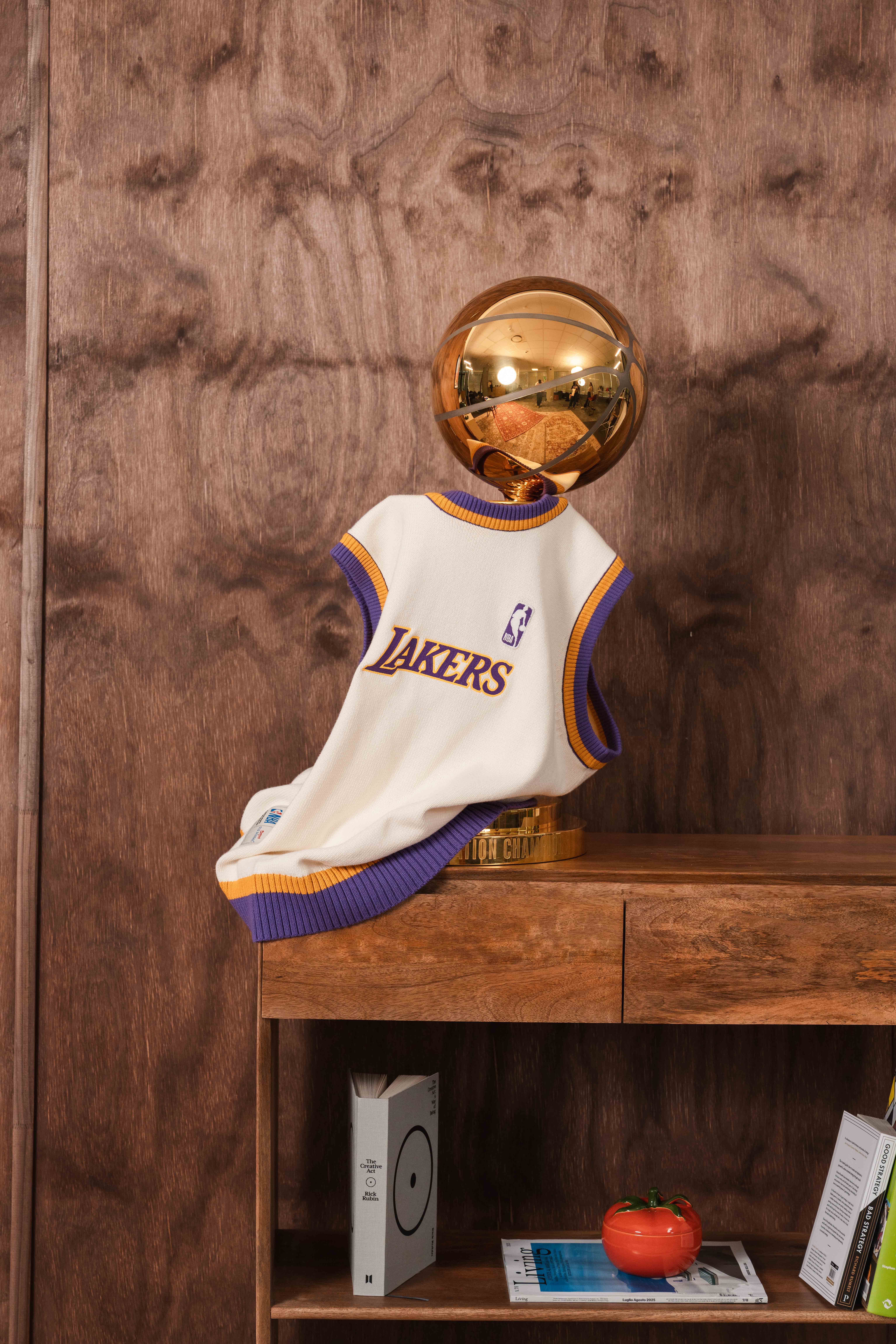
Every campaign we do has AI in the deliverables. By rule.
Sometimes it’s the entire piece. Sometimes it’s a single frame. The trained eye doesn’t always catch it. That’s the point.
Side note: this entire site was built by me using AI creative engineering.
I installed a rule across the teams I lead at Old School. Every campaign we ship has to have AI somewhere inside the video. Slightest way or biggest way, it doesn’t matter. The rule exists so we don’t relegate AI to the ideation phase or the pre-production phase. The team trains by shipping. The work has to carry the practice.
Today, roughly 90% of the campaigns on this site have AI in them. Most of the time you wouldn’t know. That’s the bar. AI shouldn’t announce itself. It should just hold the standard, on time, on budget, on tone.
The five projects below are the receipts.
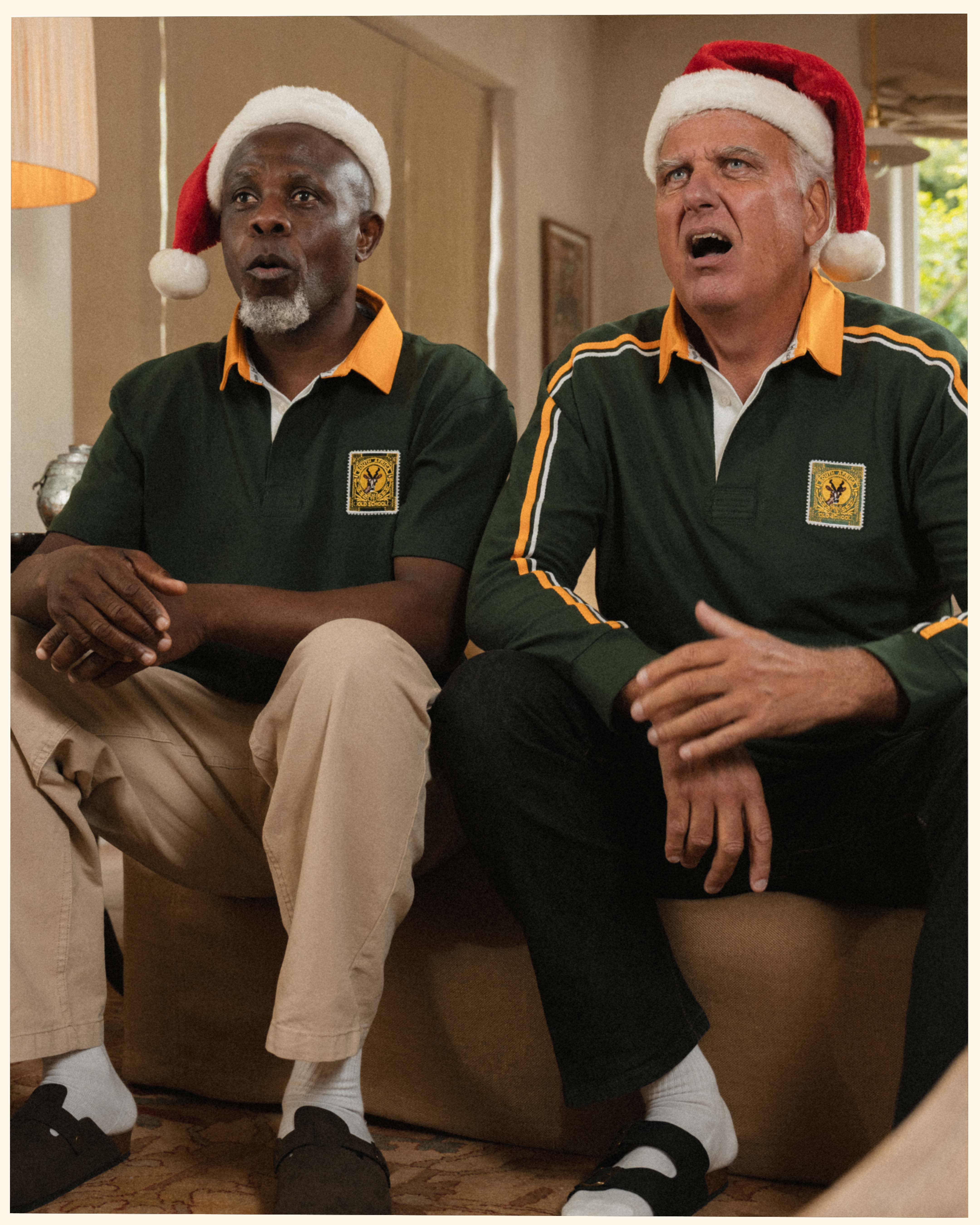
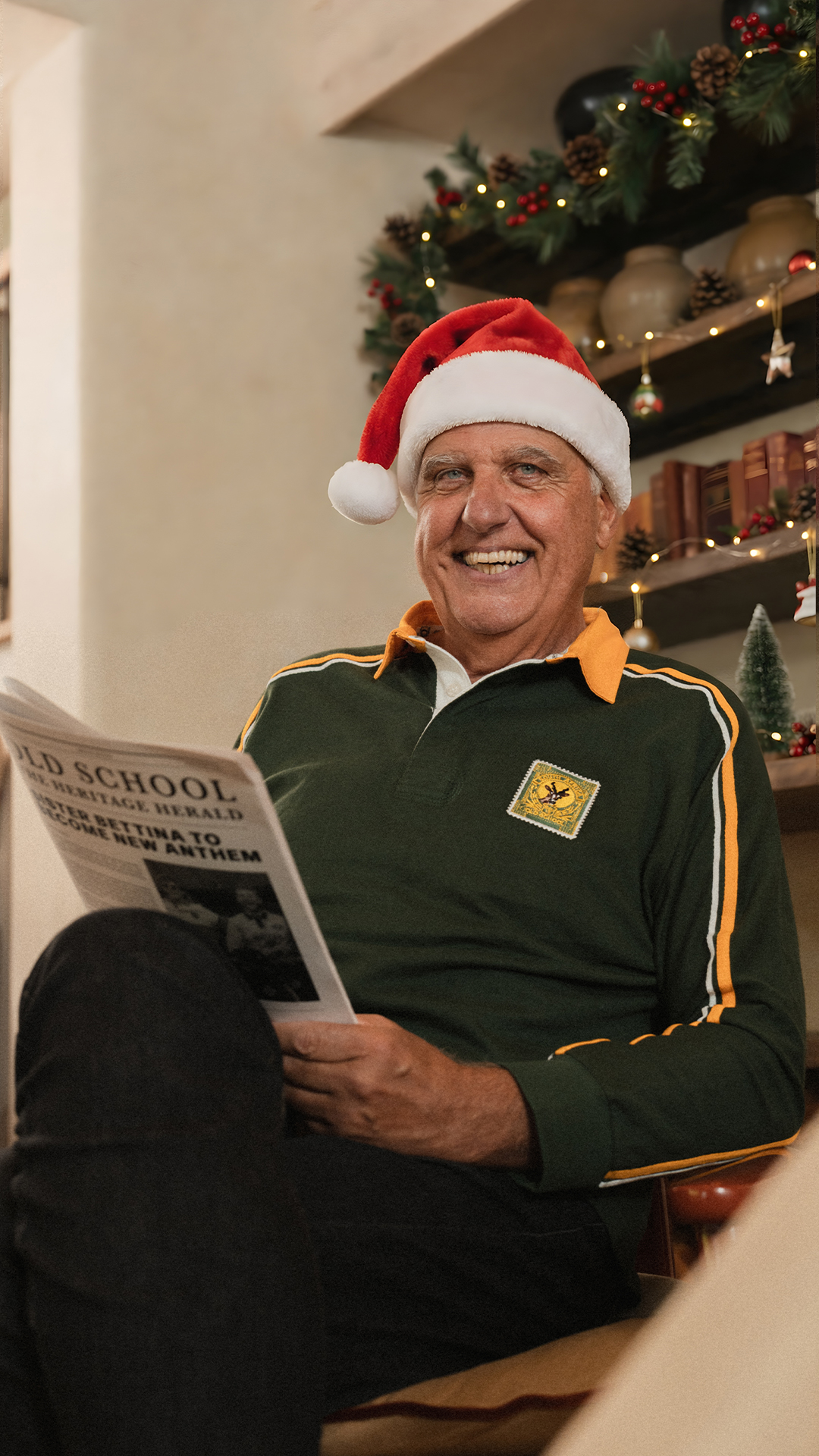
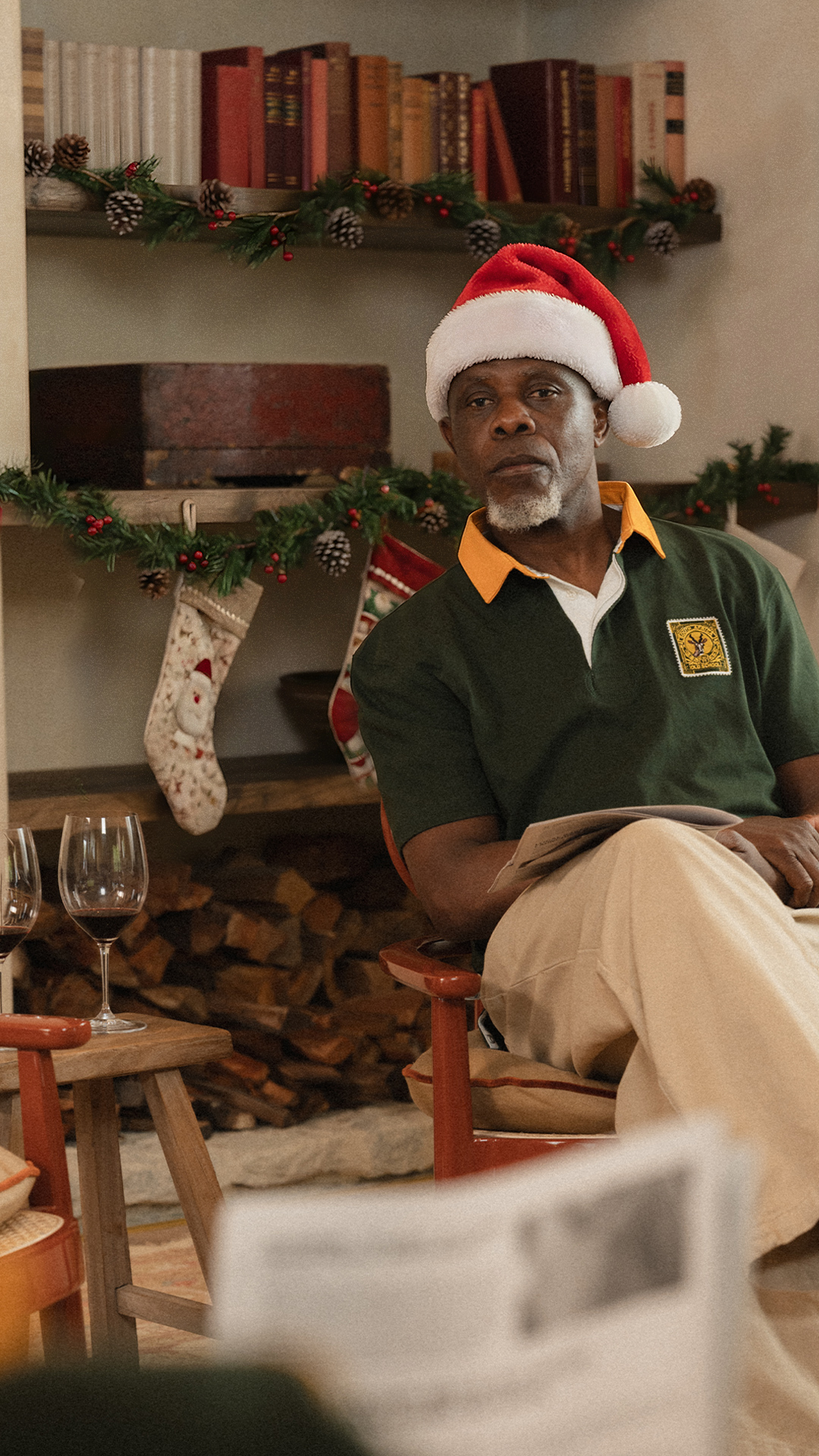
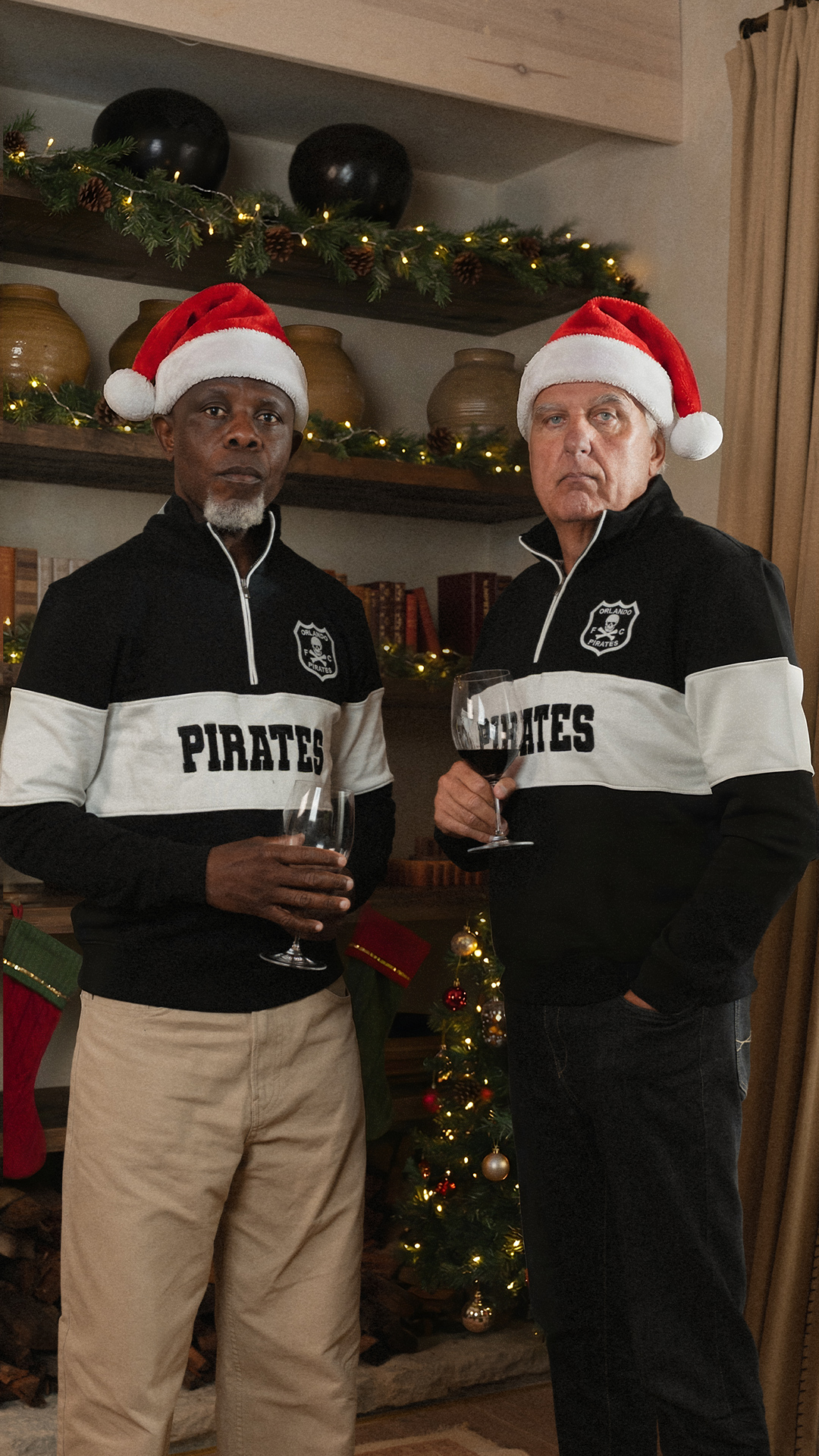
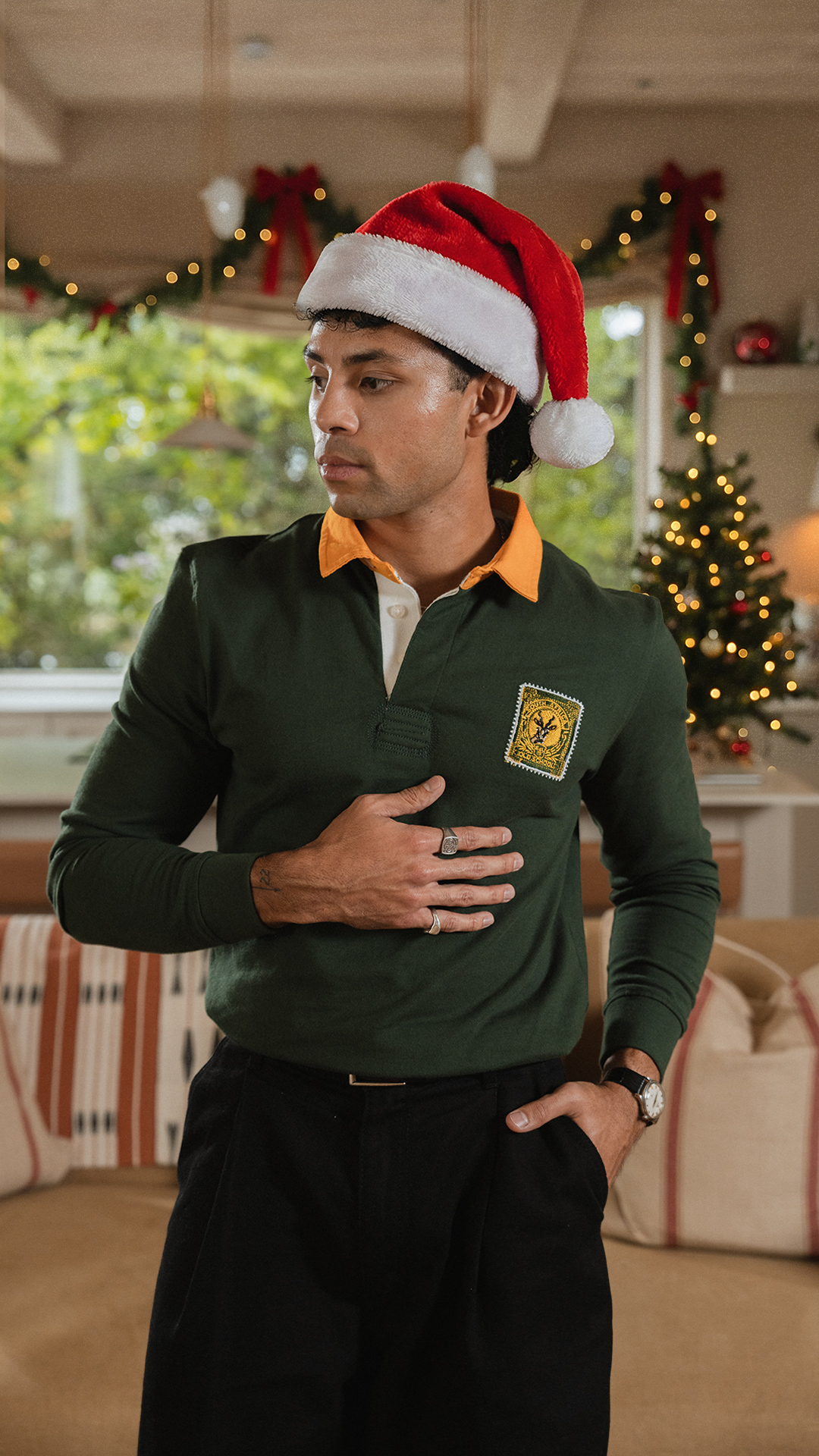
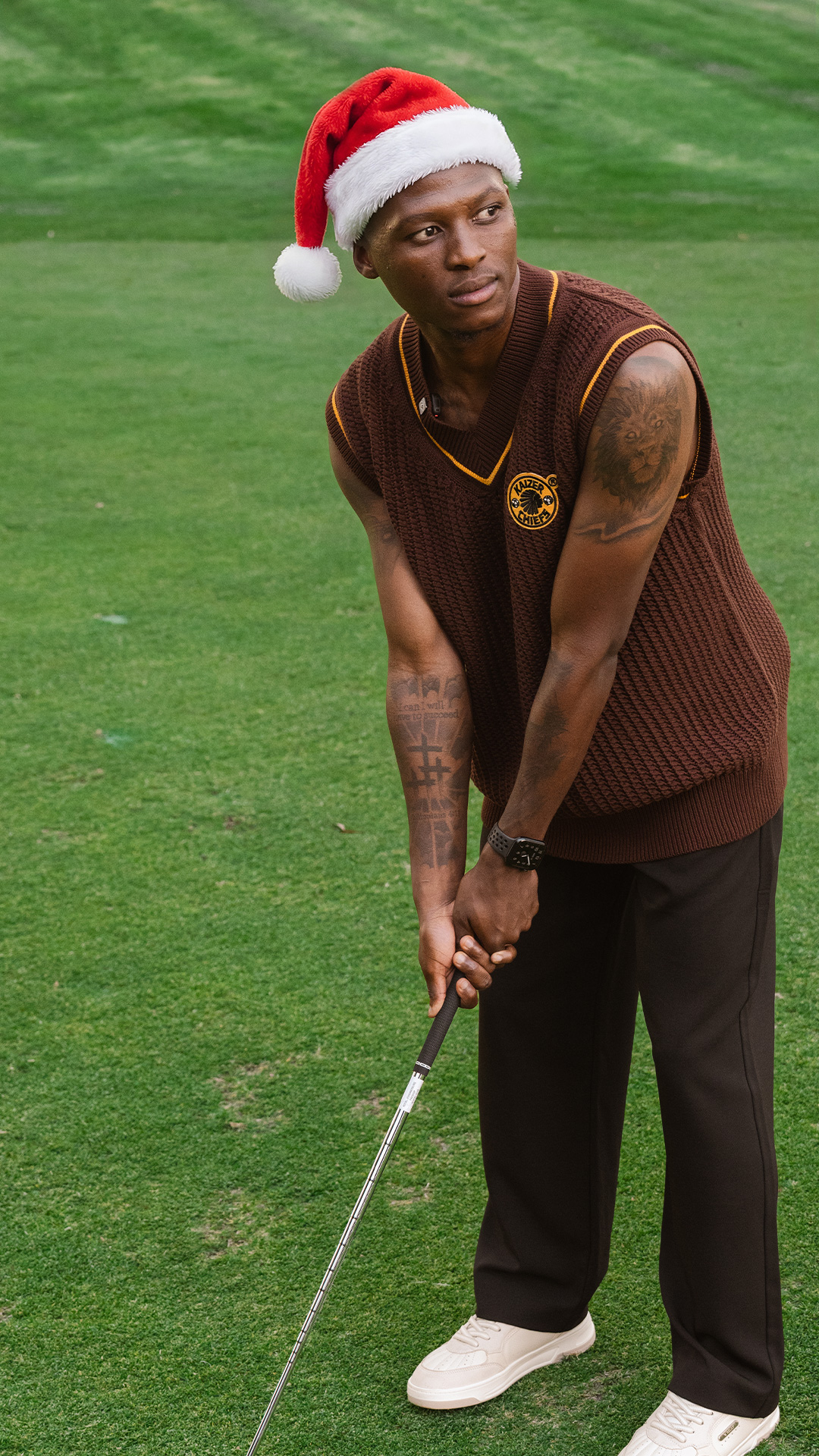
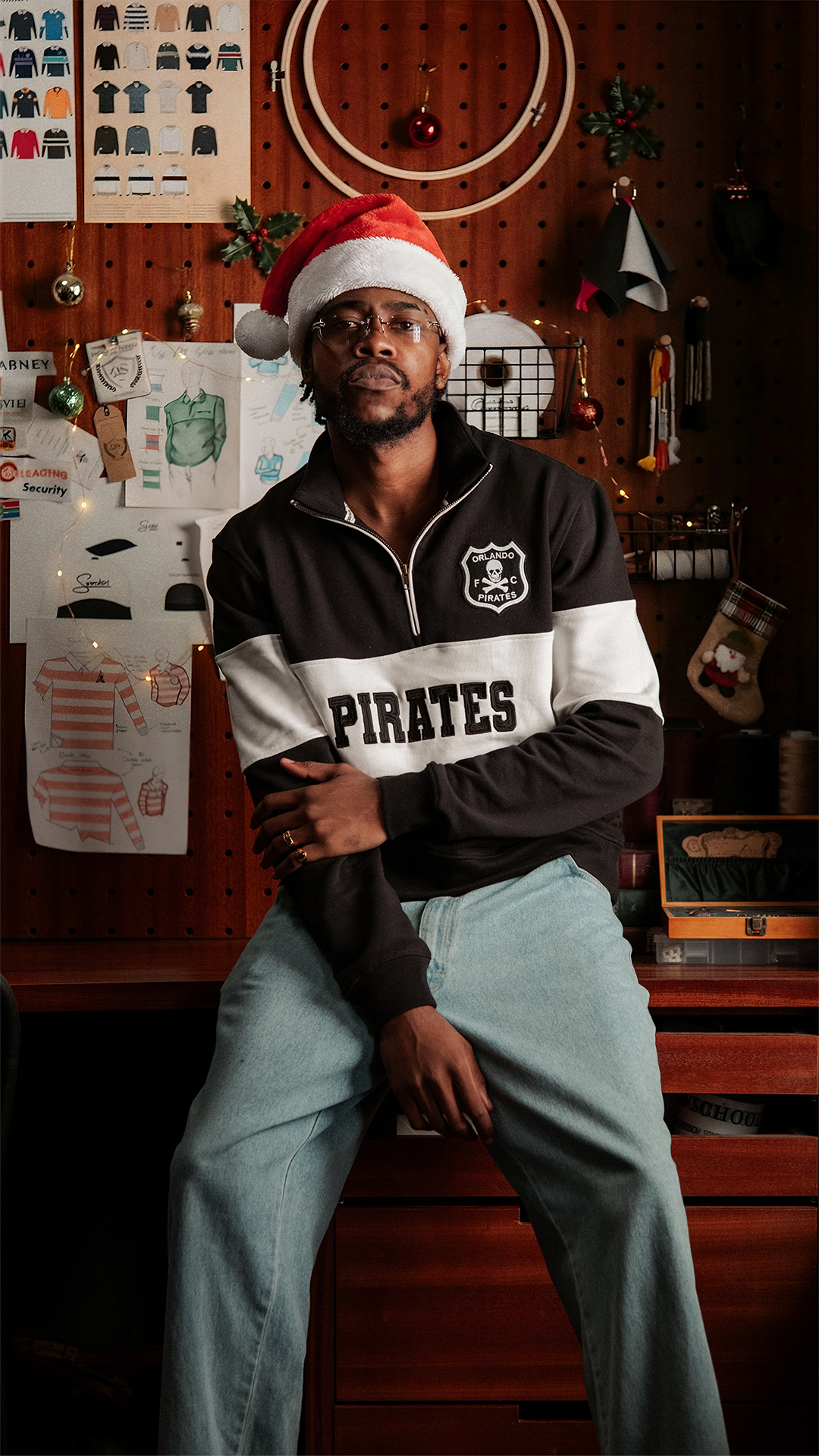
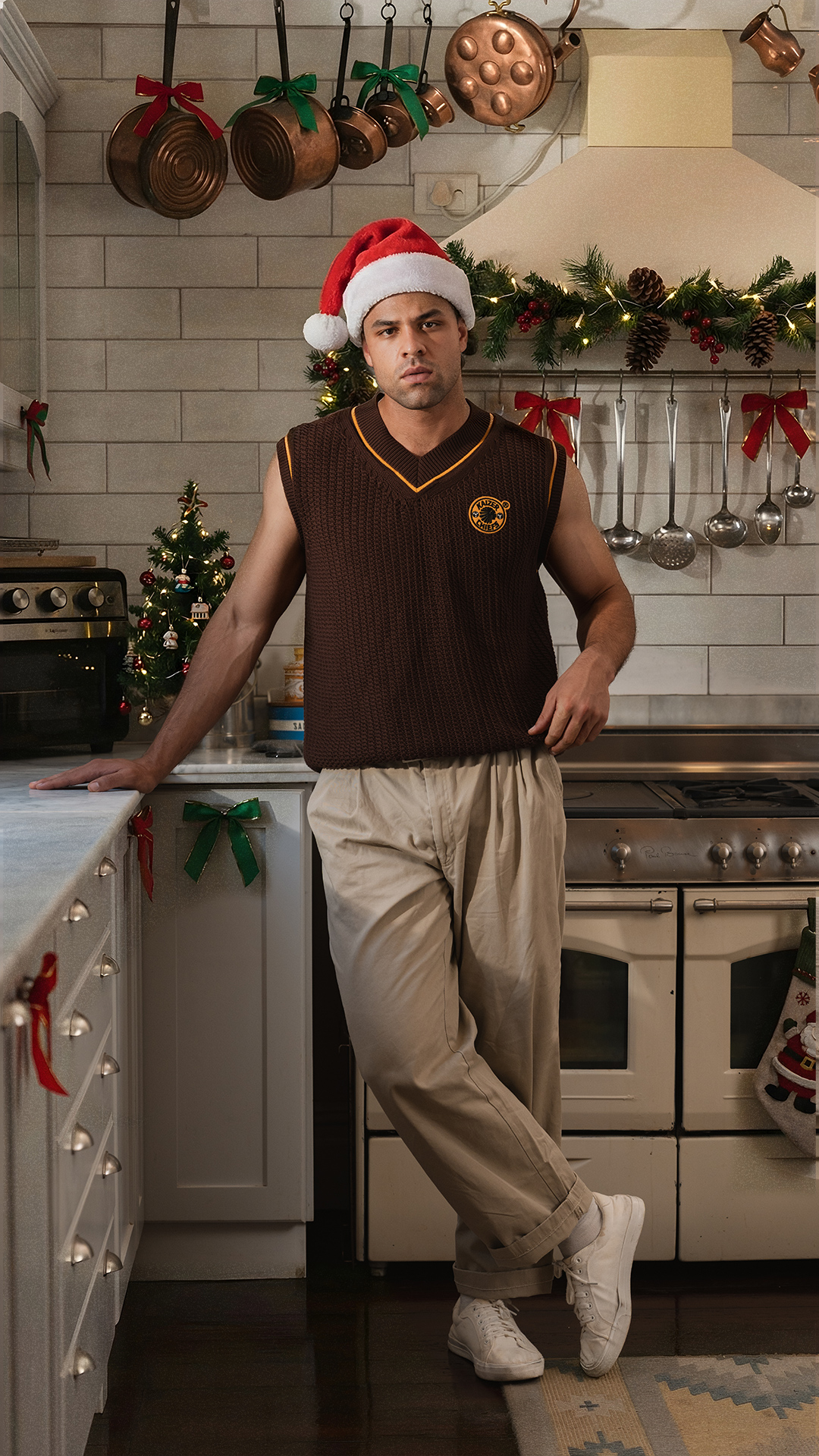
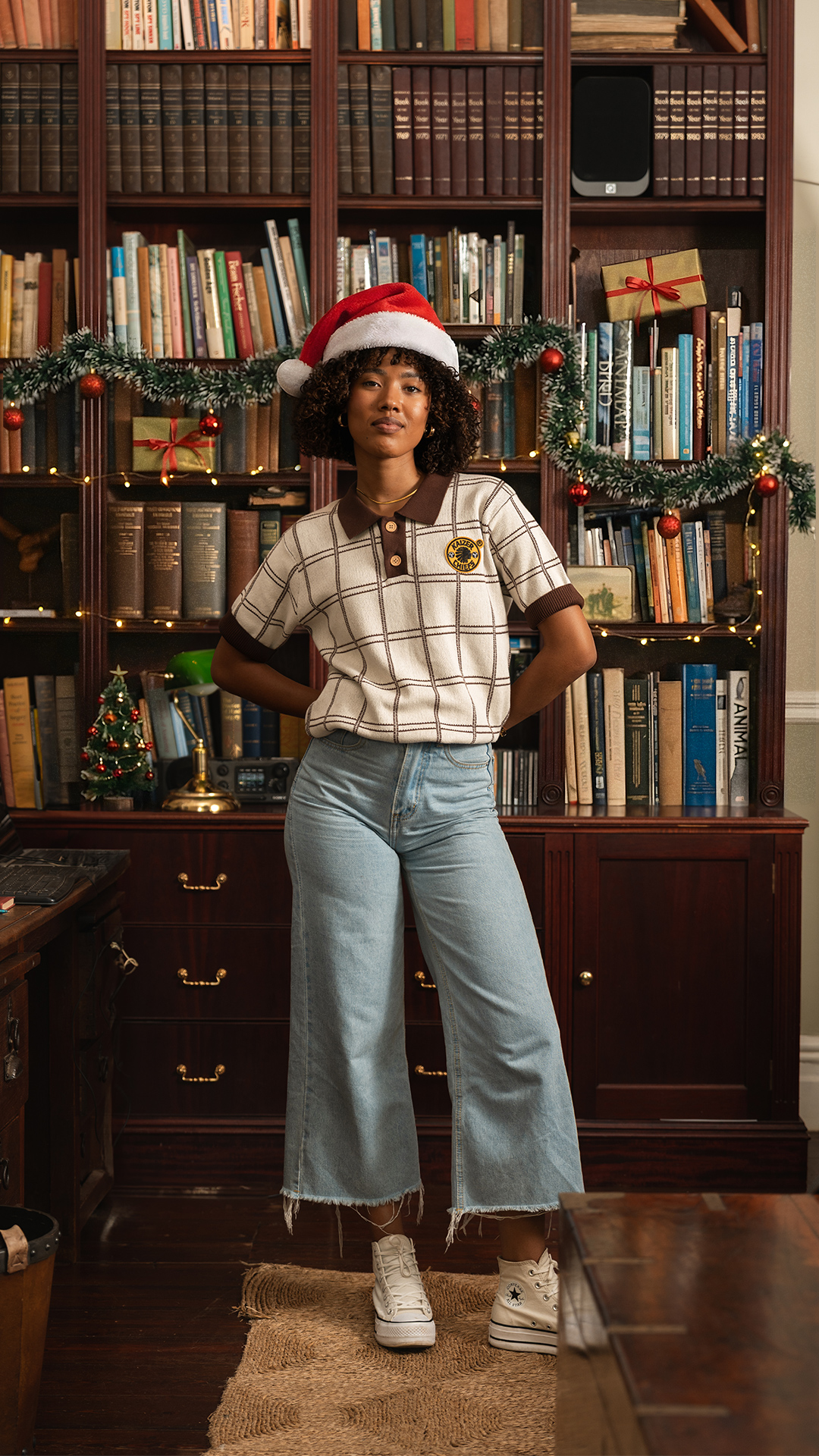
A Christmas campaign that was never shot.
“No new shoot. No new budget. The same cast, the same product, in a Christmas they were never photographed in. AI as the production extension, not the creative replacement.”
A full TVC. Two hours. Built end-to-end in AI.
Last-minute brief from our broadcasting partner. New TVC needed inside a two-hour window. No production runway, no shoot possible. The only path was AI.
I stitched a full AI production stack together on the fly. ElevenLabs for voice-over. Runway ML for video. Higgsfield for character consistency. Copywriting, design, imagery, and final composite — all inside the AI stack. The music is the only non-AI element in the cut.
“Two hours, no shoot, full TVC. AI as the entire production company, on demand.”
Pre-launch hype, with no product and no reveal.
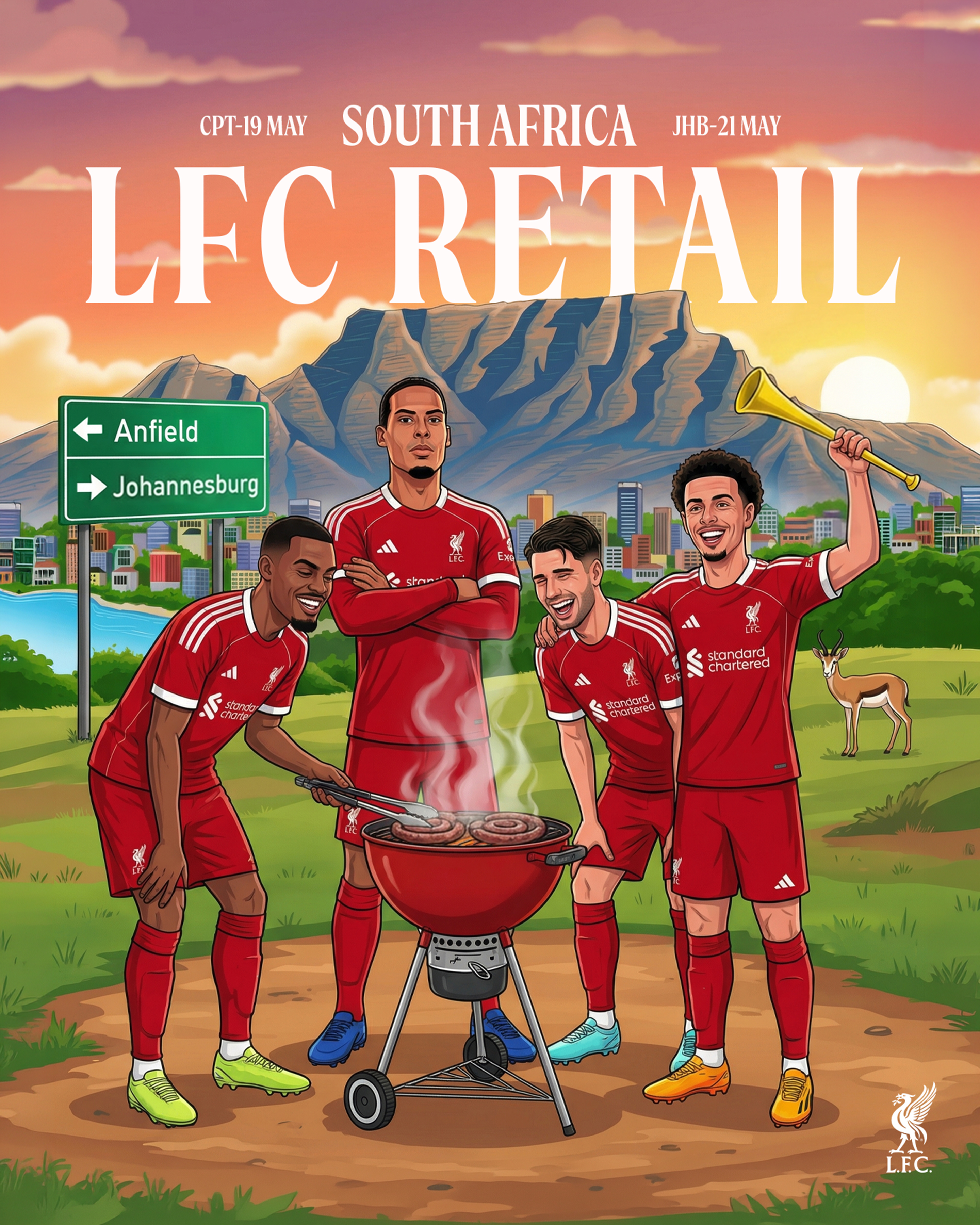
Liverpool FC retail came to Africa for the first time. Cape Town store, May 19. Johannesburg store, May 21. We had to build hype content for socials in the weeks before launch.
Two constraints. The product didn’t land until the day before launch. And it was unreleased — we couldn’t reveal it pre-launch even when it was in hand. We skipped product photography entirely. We built the campaign in illustrated, AI-generated form. We dropped the LFC squad into South African cultural moments people would recognise instantly. Table Mountain. The veld. The braai. The vuvuzela. The Nelson Mandela Bridge for the Joburg side. No real product on screen. All the hype carried by location, culture, and player likeness.
“Pre-launch hype with no product, no reveal, no shoot. AI as the place-maker, not the product photographer.”
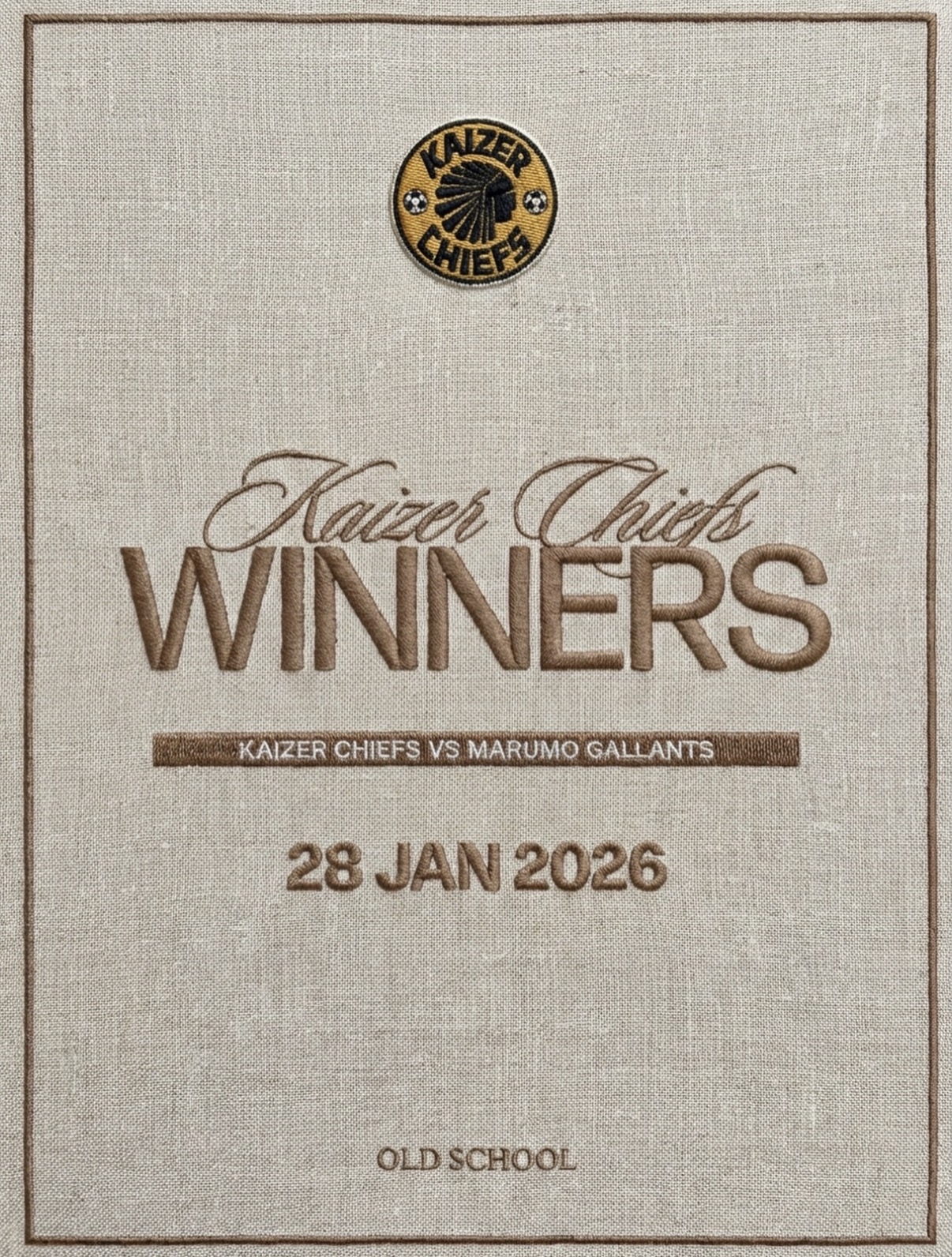
Same standard, different cloth.
“Multiple clubs. Same standard. Different cloth. AI turns the win-post template into a weekly art piece without slowing the team down.”
Half the revenue. Three days. One mark.
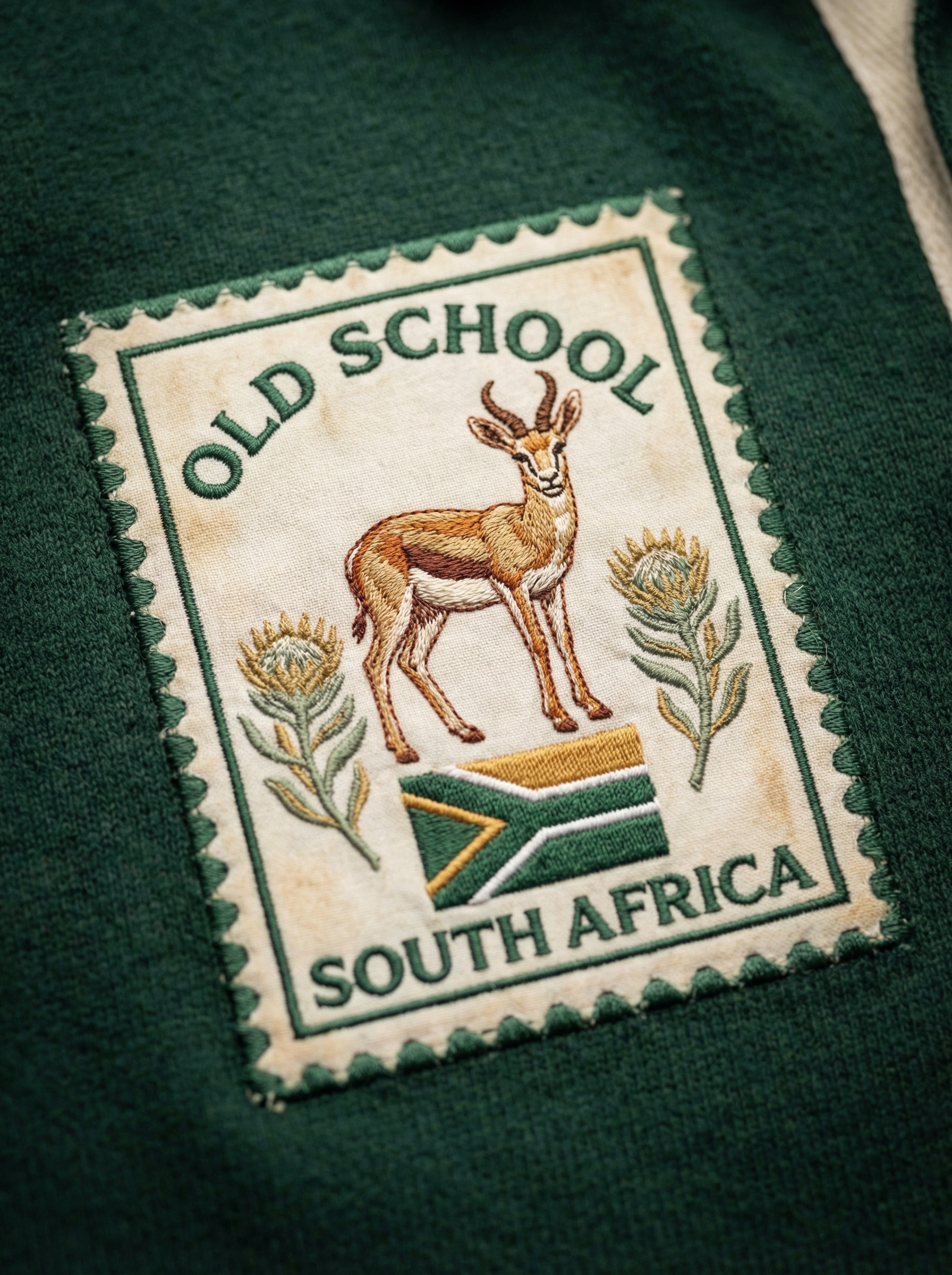
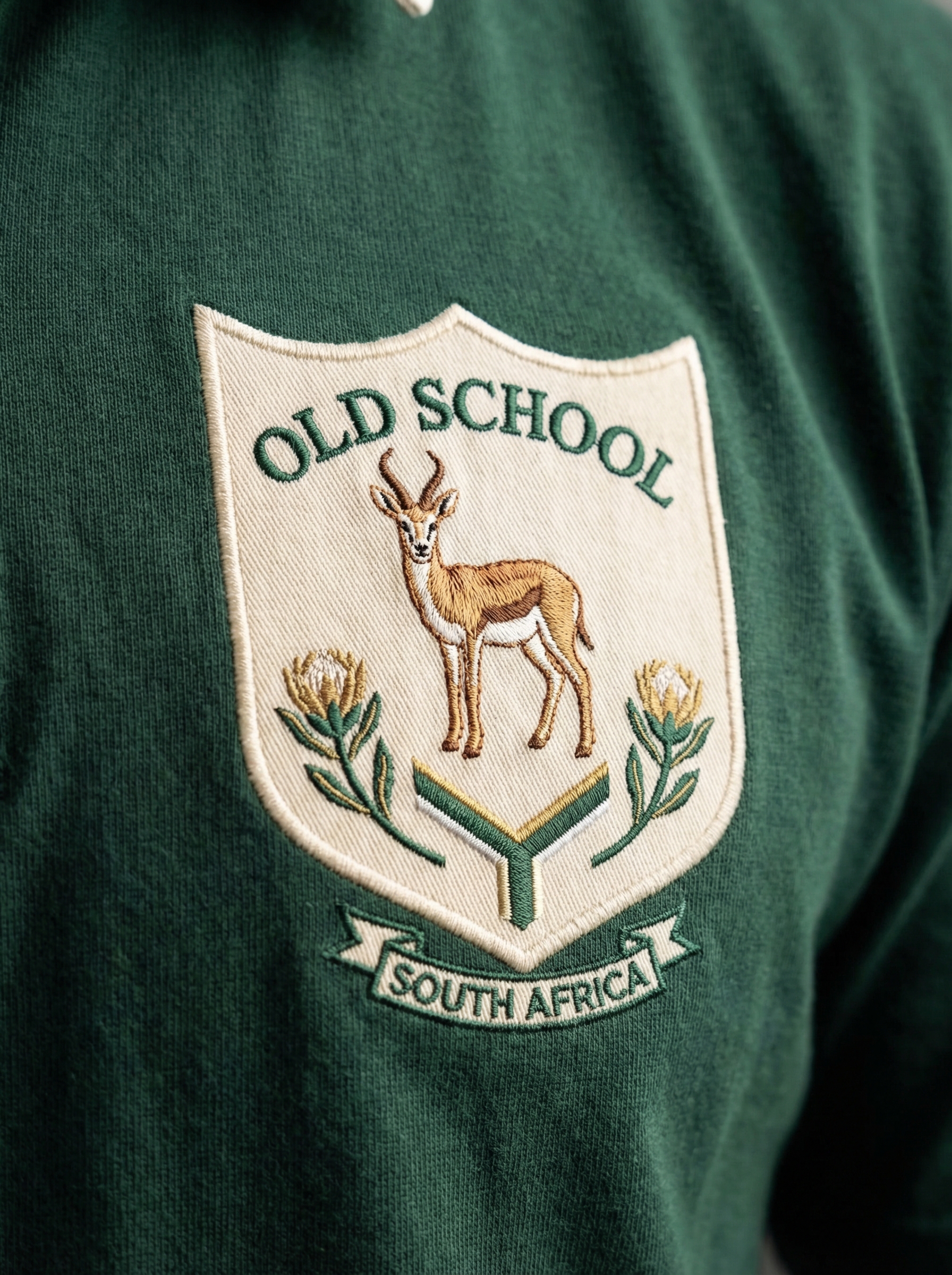
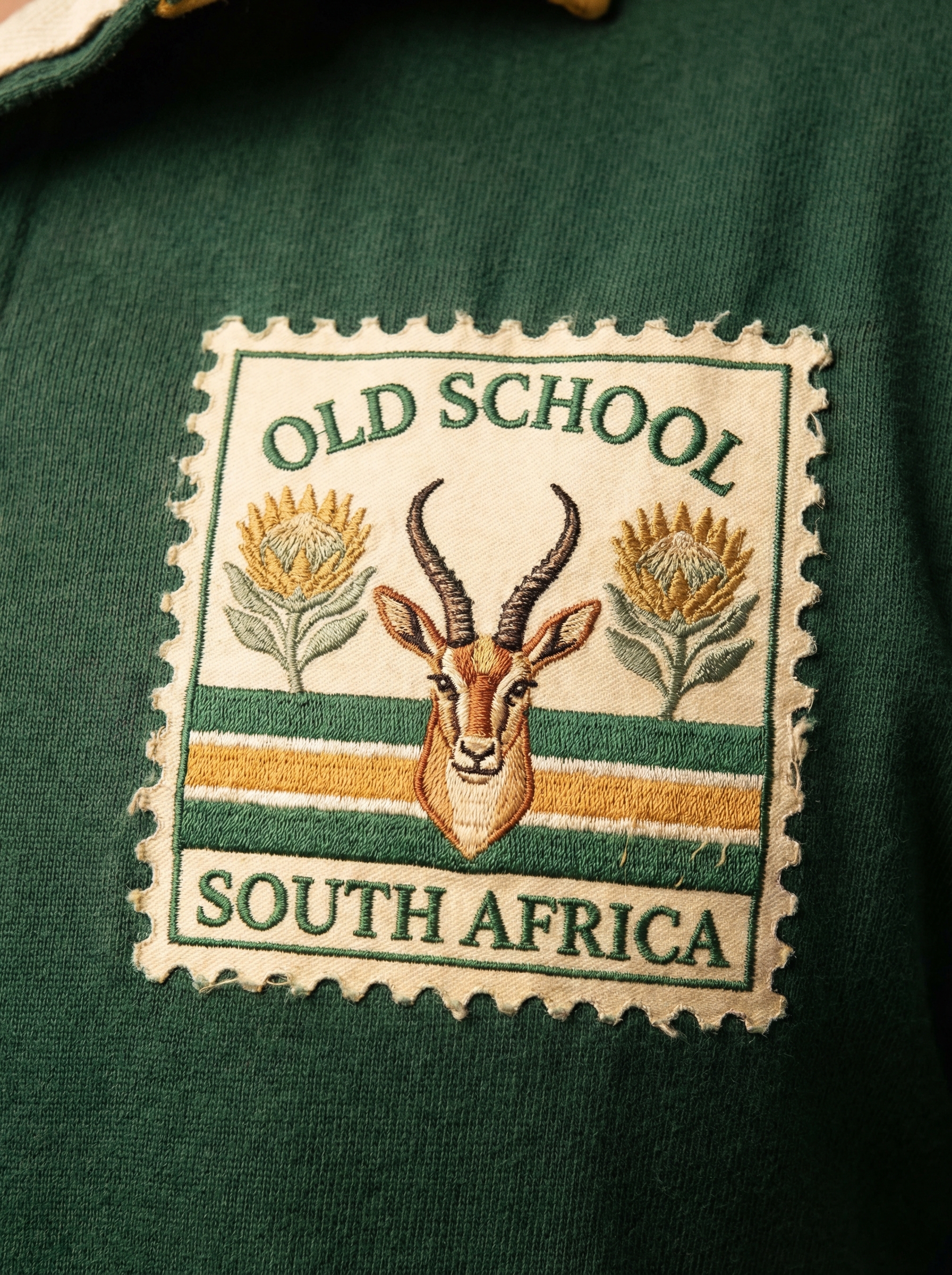
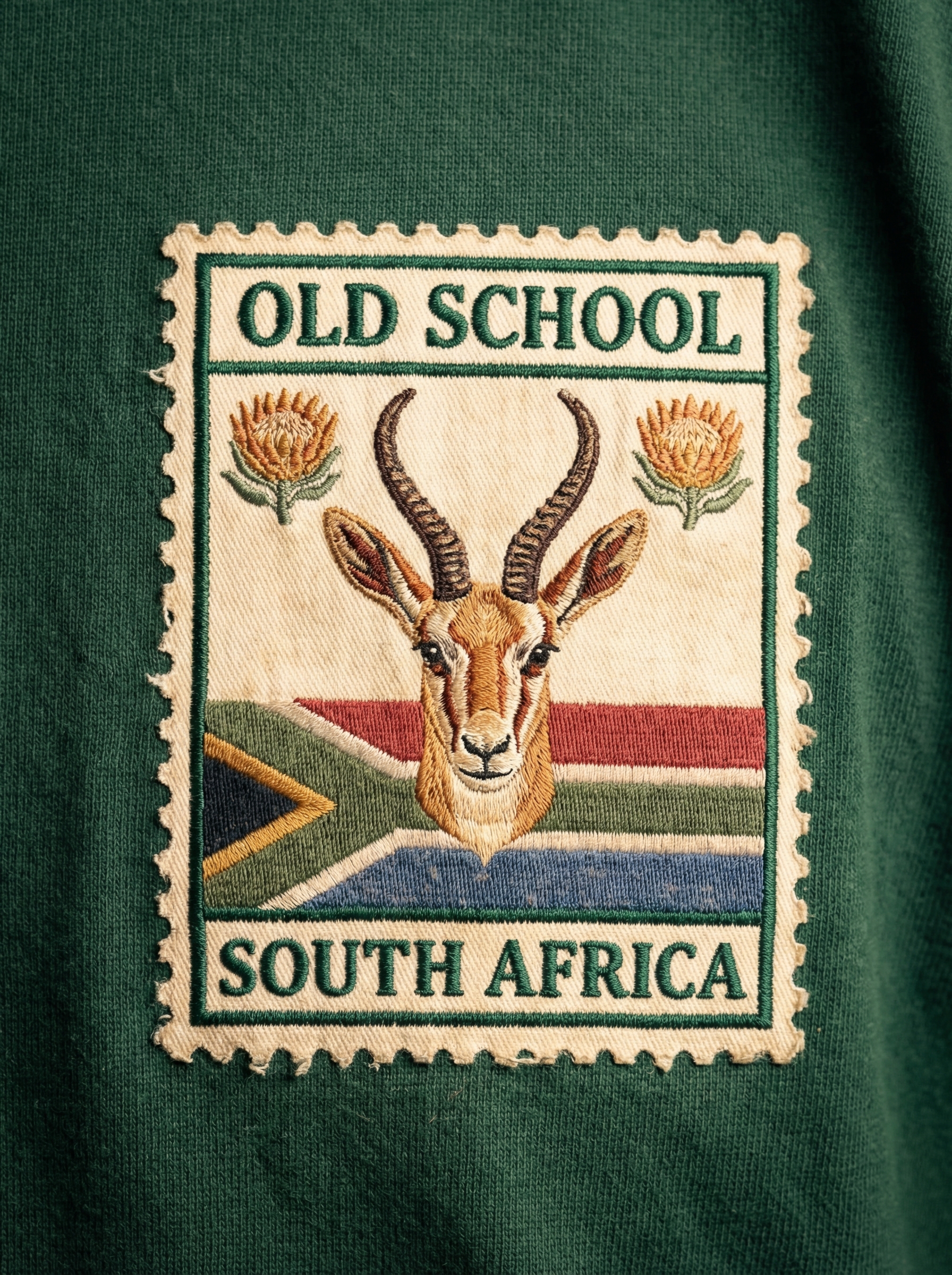
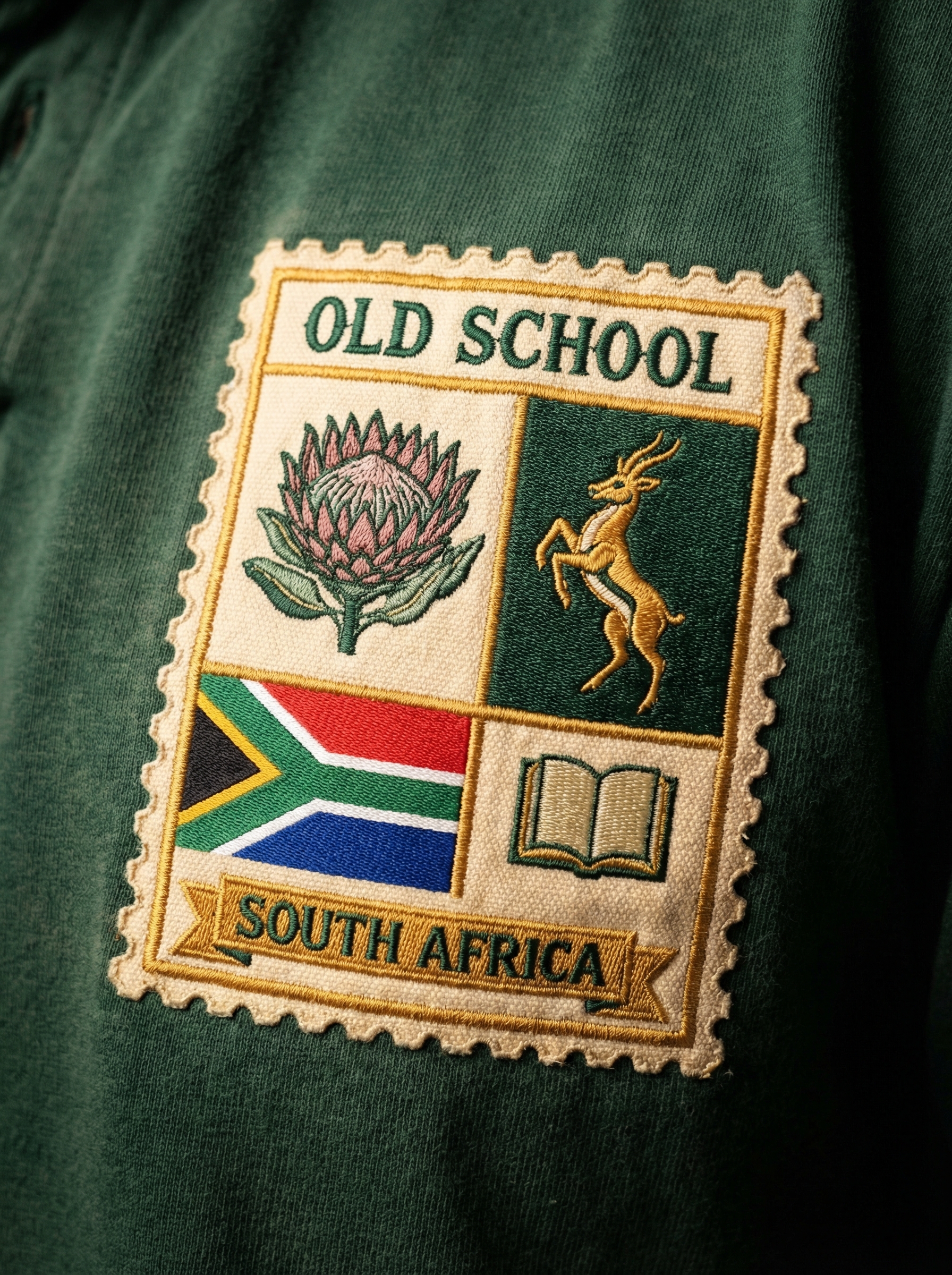
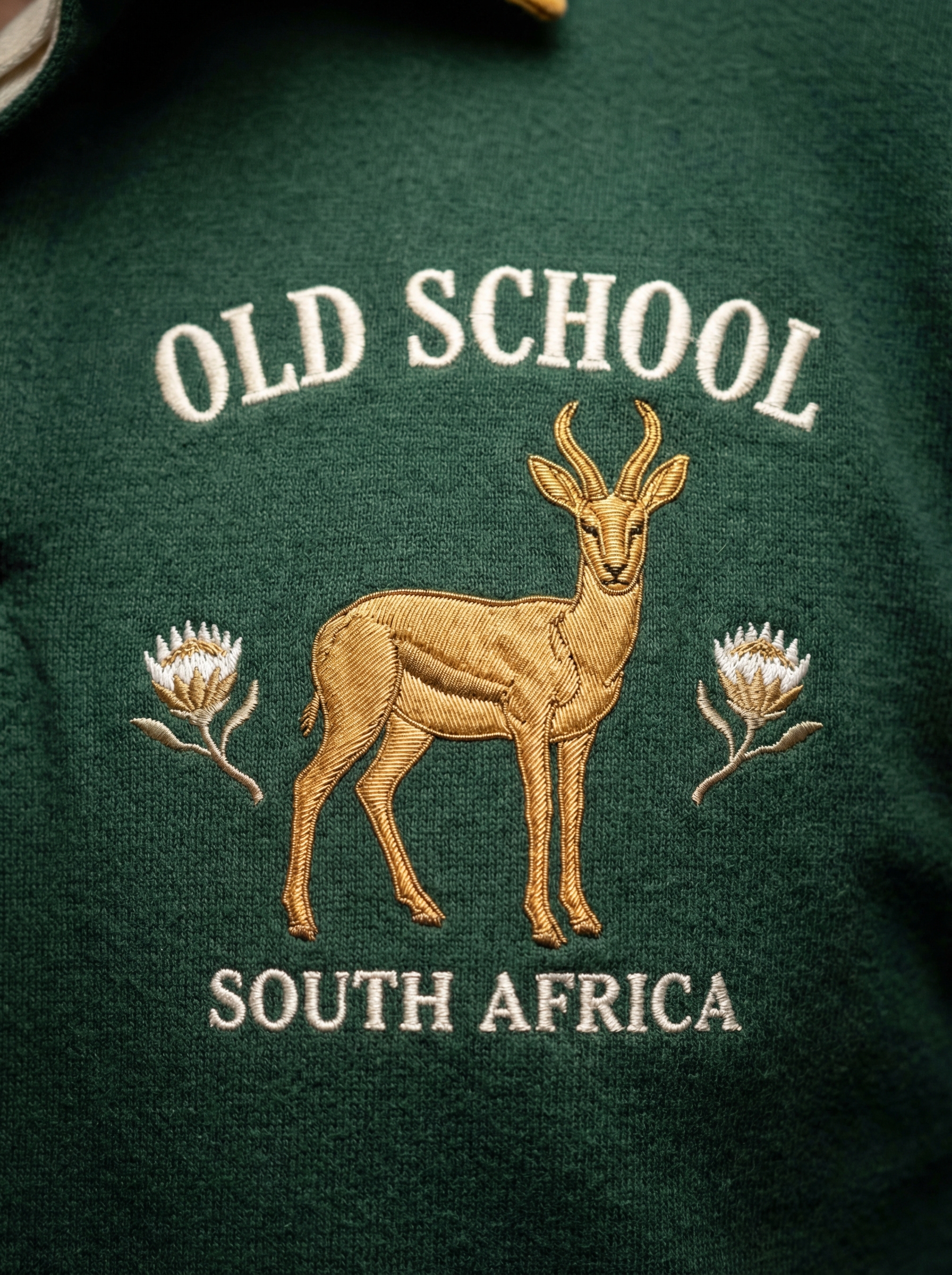
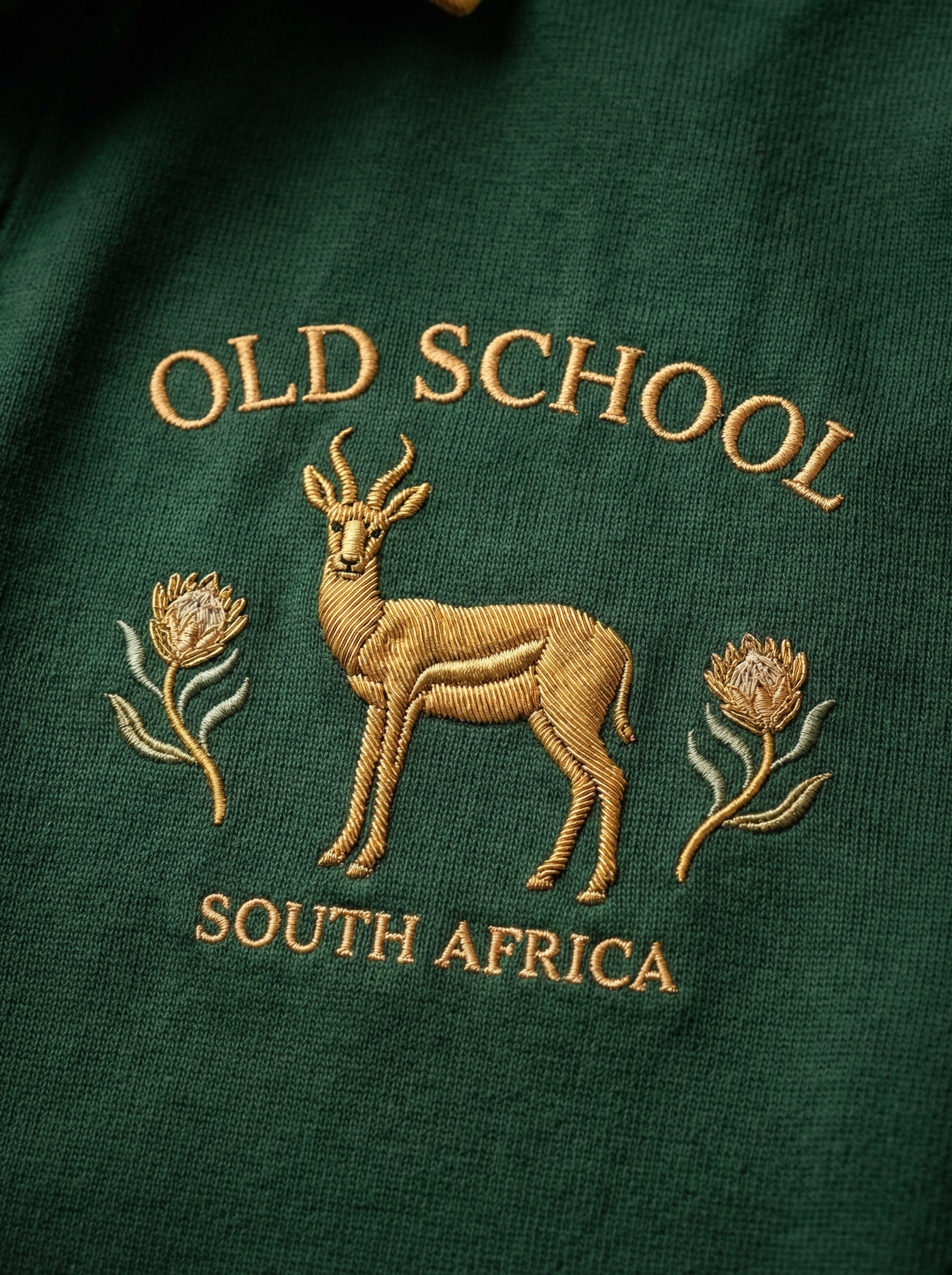
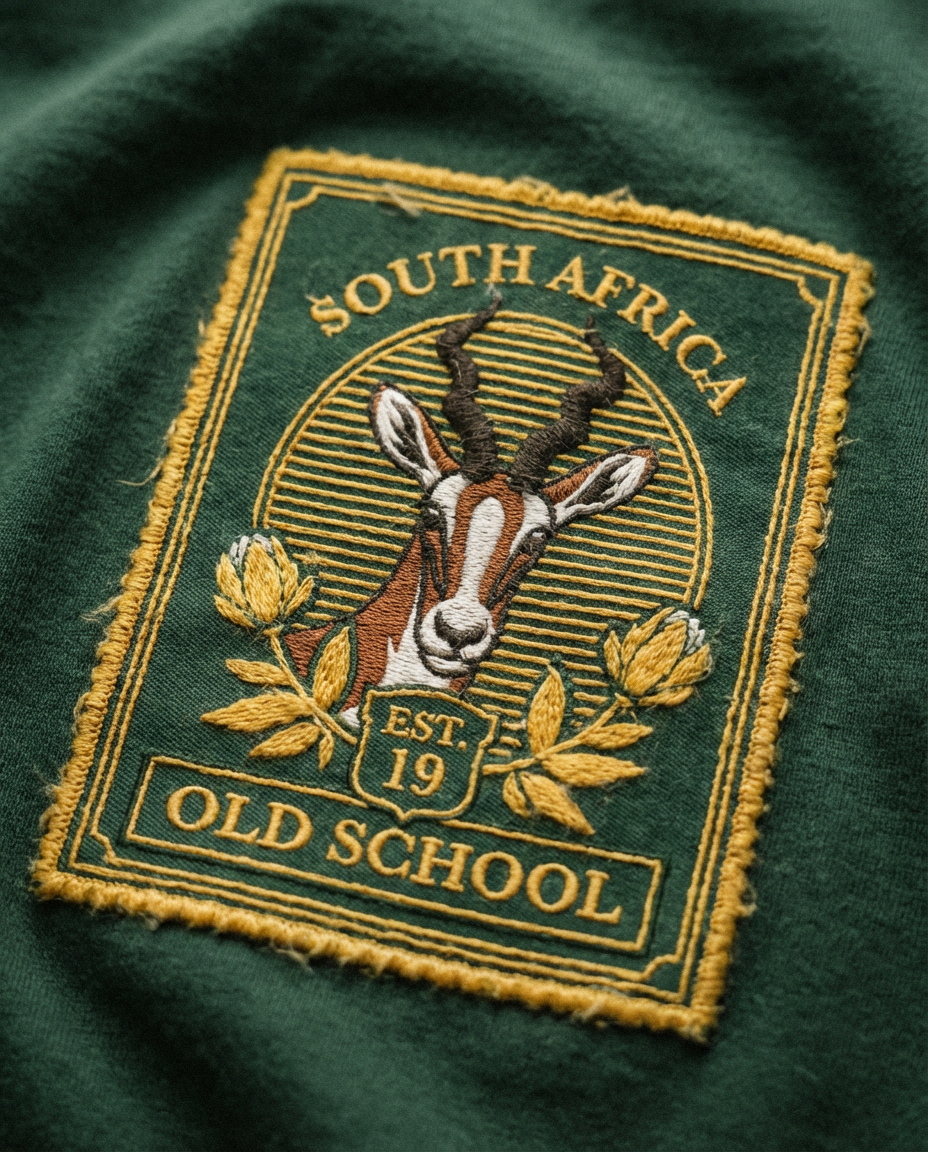
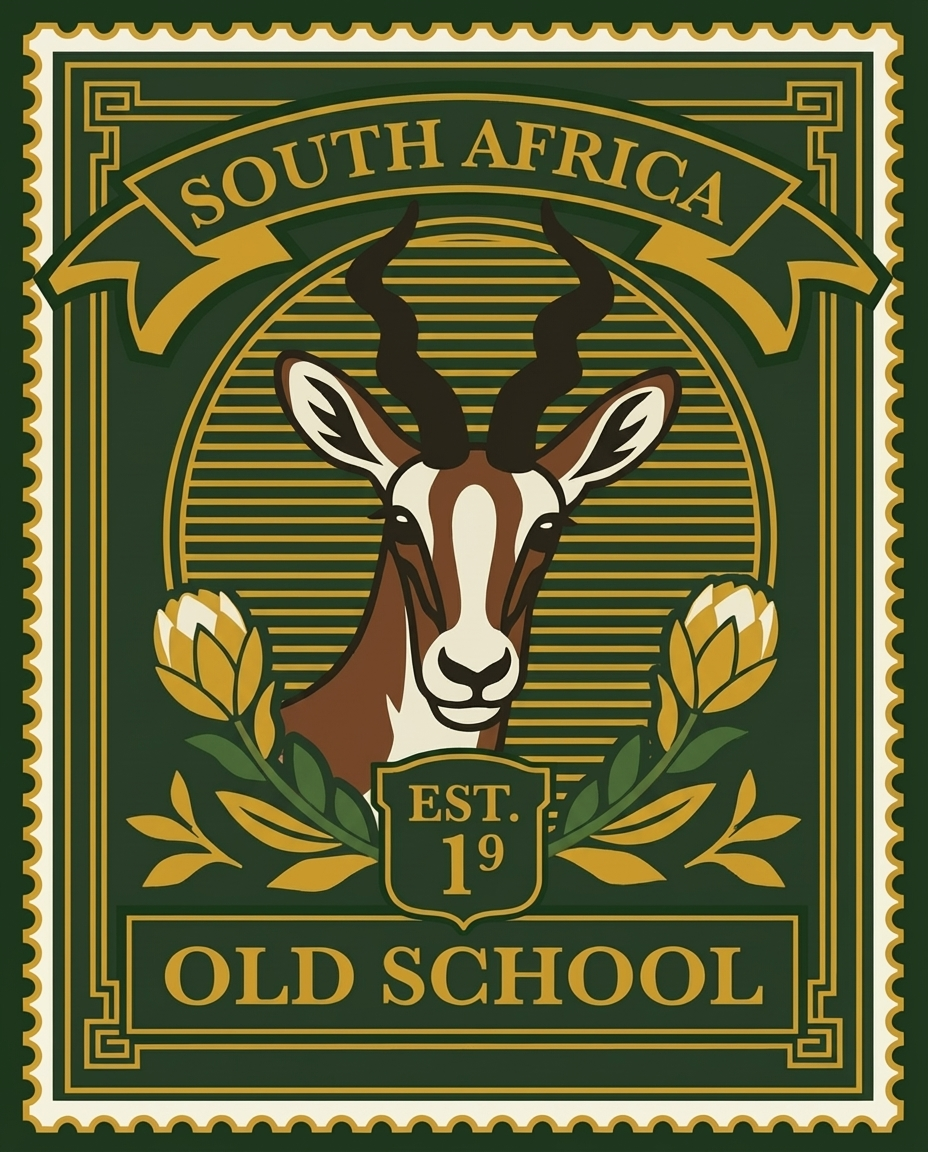
The Old School South African supporter range carries half the business’s revenue. It’s a staple. The badge is the most recognised mark we put on a garment, and it was outdated. We had three days to pitch a new direction, design the new badge in full, and take it through sign-off.
Two of us — myself and one designer — used AI as the iteration engine. Hundreds of variants explored across composition, mark, typography, palette, and finish. We curated. The designer ran the craft. Final mark approved inside the three-day window.
“Time is money. AI didn't just save budget on this. It gave us the iteration count of a six-week brand sprint inside three days. The badge sits on the product that makes half the company's money. Getting that mark right is non-negotiable.”
Here are 10 of the different options we gave before we settled on a final design.
AI doesn’t just shorten the process. It changes the room. When a client can see ten directions in the hour, the conversation moves from “try this” to “we know this is it.”
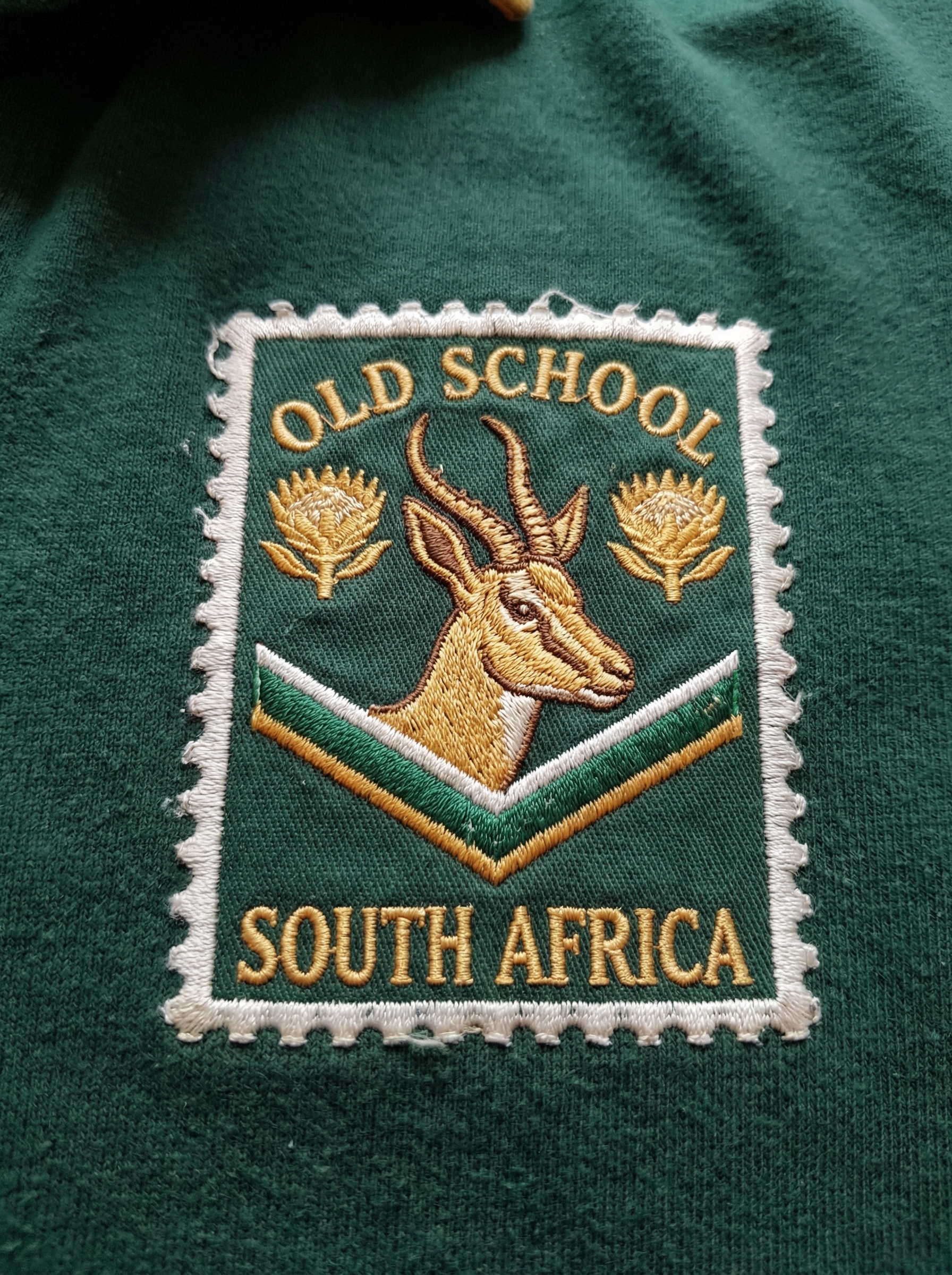
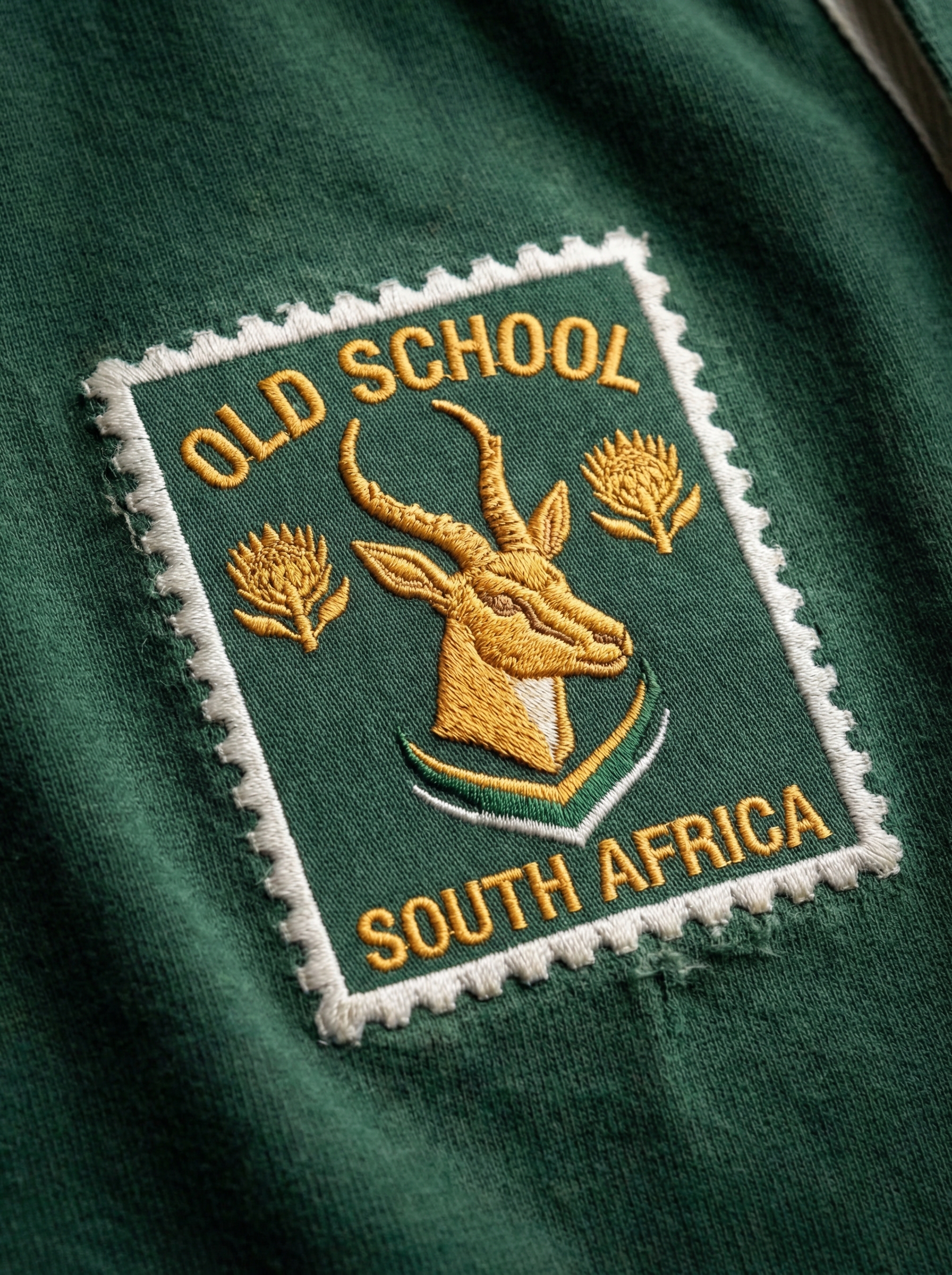
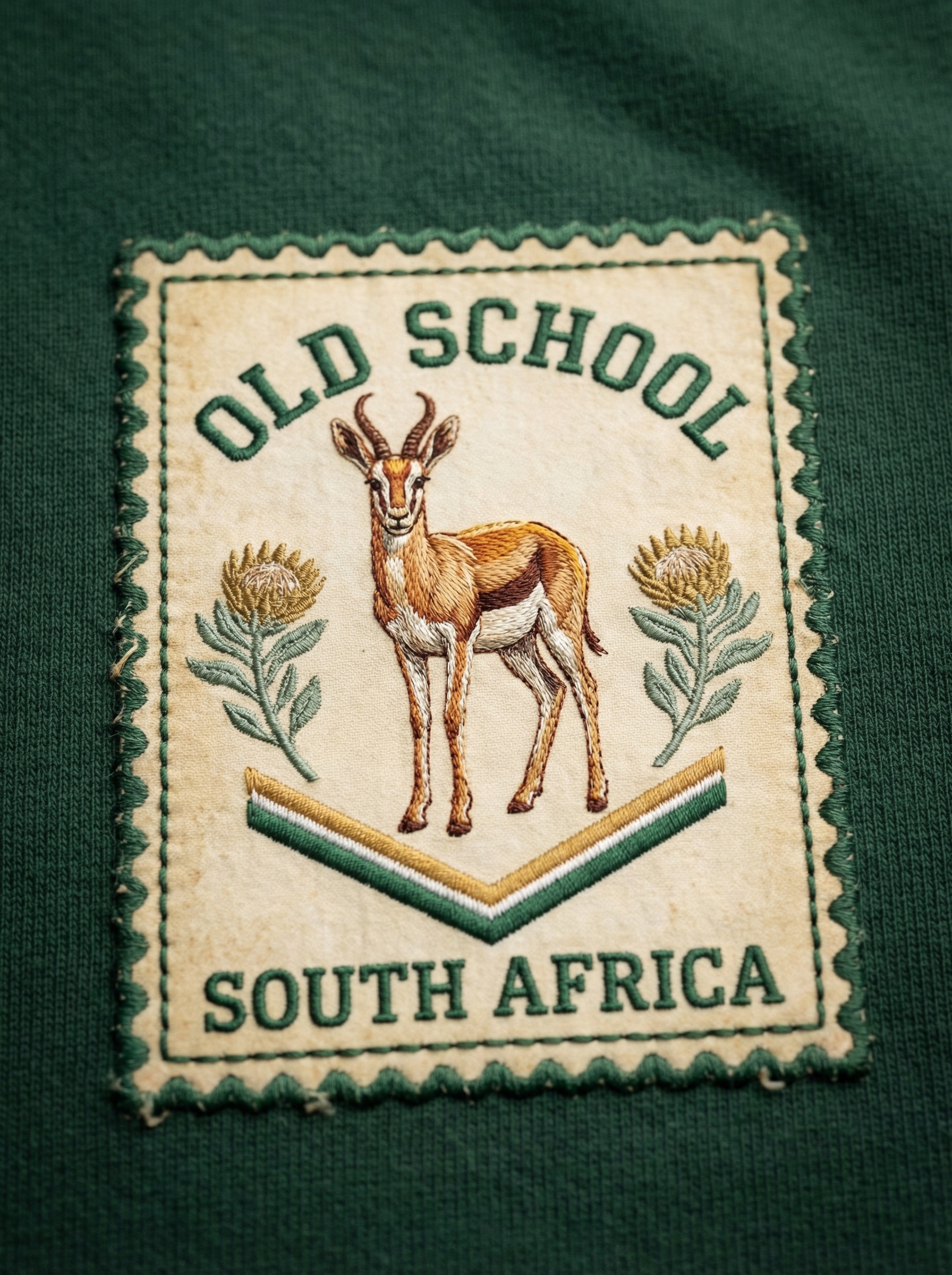
The mark we shipped.
“AI didn’t change what creative leadership is. It changed what one creative team can do. The rule exists so we keep finding out.”